Sydney · Fresh-food retail · WeChat

澳晟食鲜
Fresh food. Familiar customers. One connected retail journey.
Fresh-food orders come with more than a shopping basket. Weight changes, delivery areas and collection times all need handling. For 澳晟食鲜, we connected the customer’s WeChat shop with the work that follows each order.
- Community retail
- Weighed products
- Delivery & collection
- Customer rewards
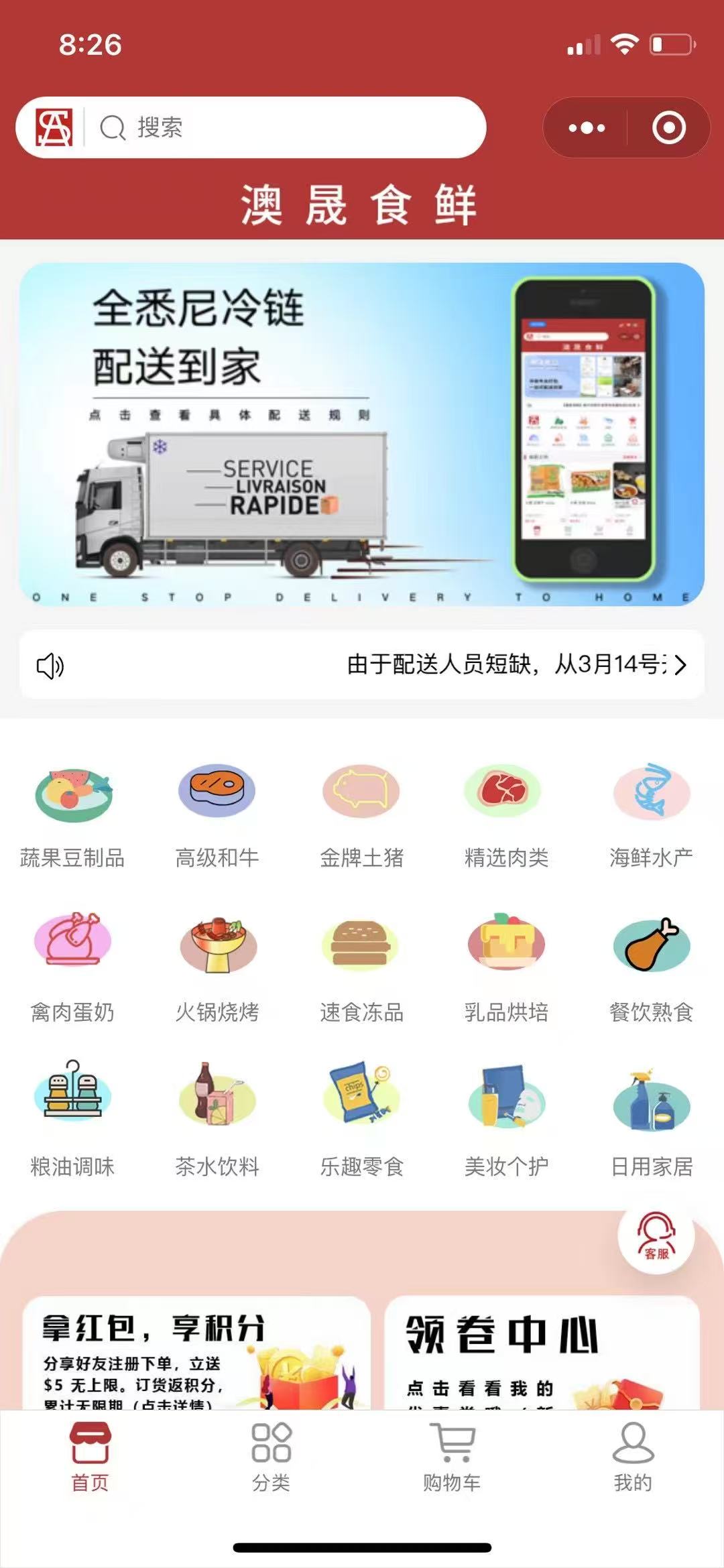
- Shop in WeChat
- Products, offers and payment in a familiar place.
- Handle the difference
- Store credit helps manage weighed-order adjustments.
- Keep customers coming back
- Coupons, points and referral rewards support the next purchase.
THE RETAIL REALITY
A fresh-food order is rarely just “pay and send”.
A basket can mix vegetables, meat, seafood and pantry staples. Some products need weighing. Customers live across Sydney, with different delivery arrangements or collection points. The service needs to carry those details through to fulfilment, then keep customers informed.
- Actual weight changes the final amount.
- Delivery costs, areas and dates vary.
- Picking and customer updates need order records.
THE CONNECTED WORKFLOW
From interest in the group to the next order.
A customer-facing shop, backed by support for the daily work of community retail.
Make the offer easy to buy.
An offer in the group still needs a clear next step.
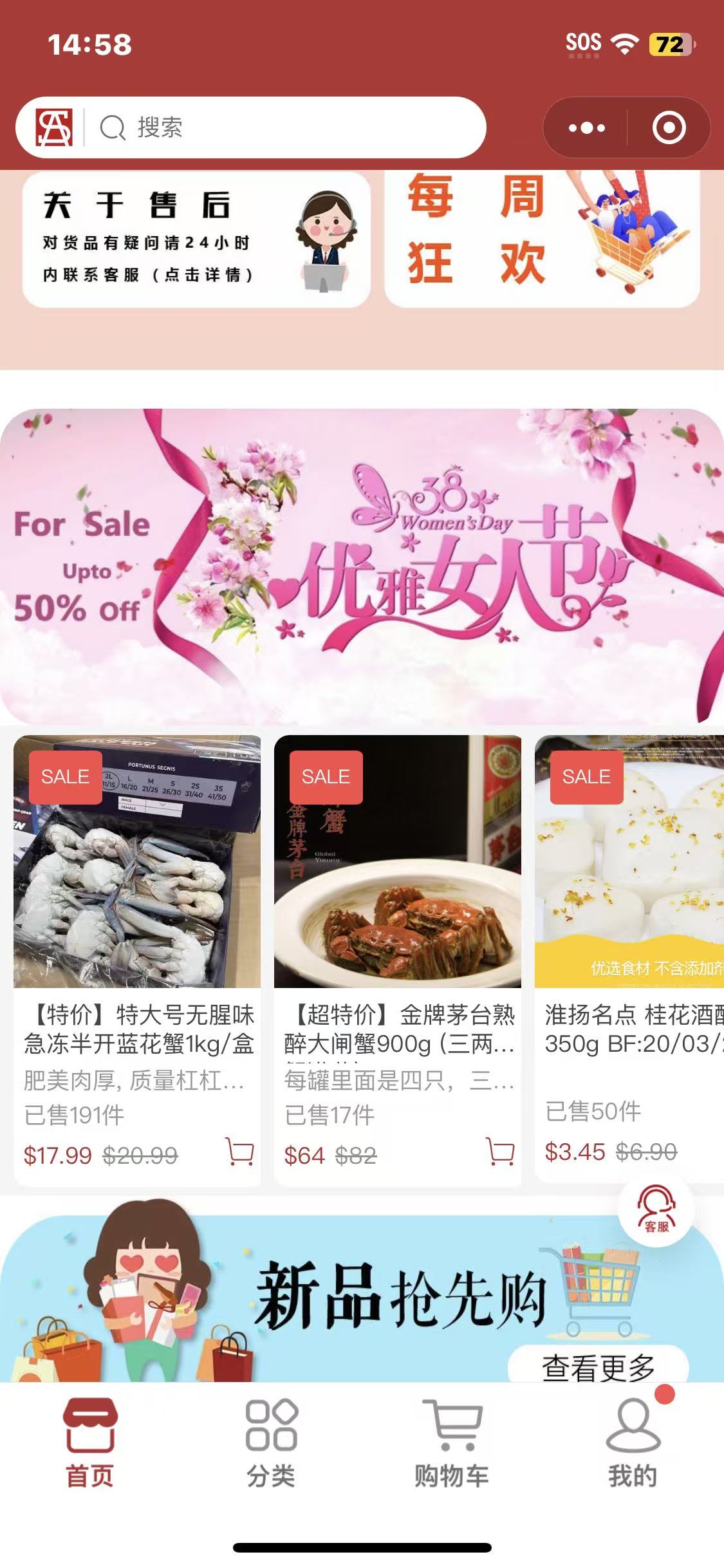
Product categories, prices and promotional products give customers a place to browse and choose. Sharing from WeChat can lead into the shop, where the offer and the order belong together.
- Fresh-food categories and product prices
- Promotional products and offers
- A shopping entry point inside WeChat
Let customers choose how to receive their order.
Delivery is not the same for every Sydney suburb.
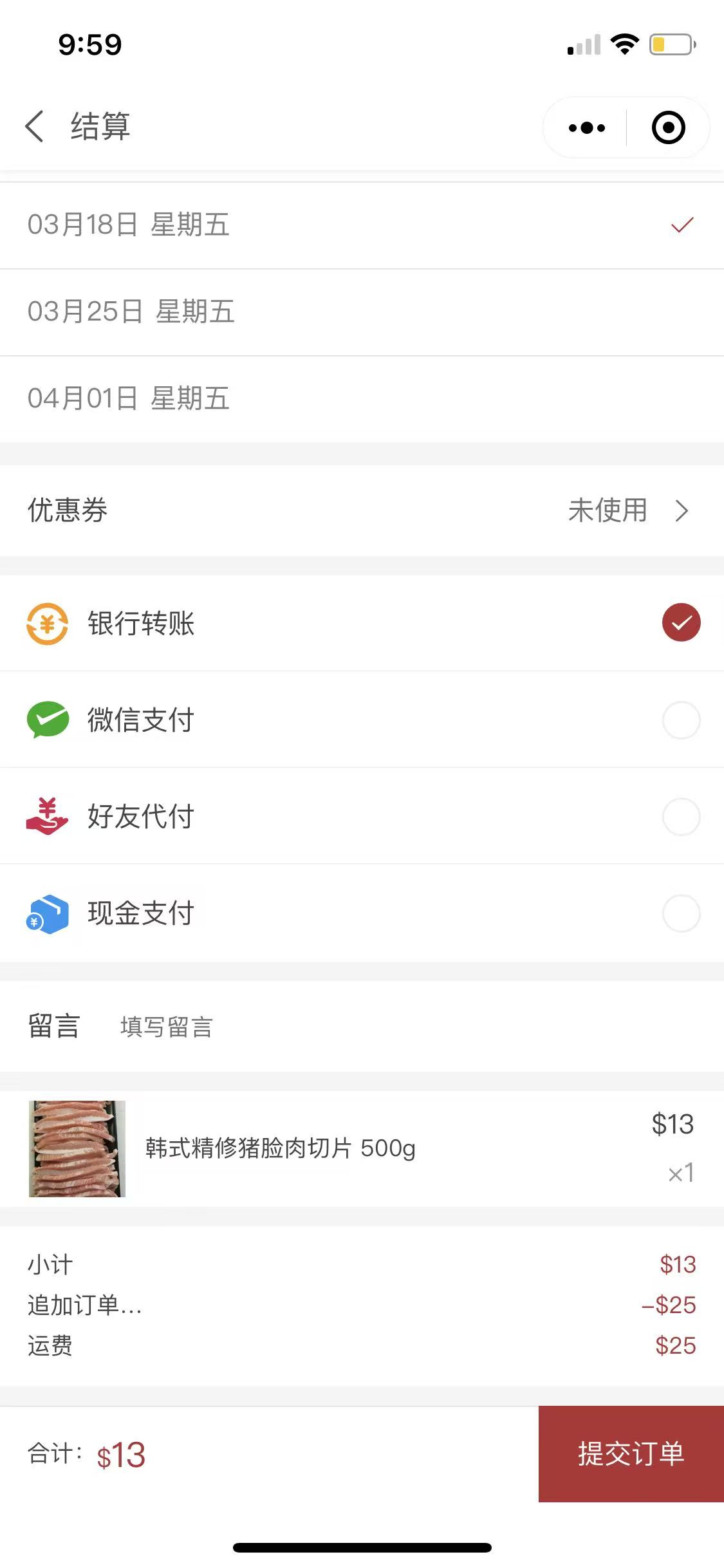
Customers choose delivery or collection, available dates and an eligible payment method during checkout. The service supports Australian addresses and phone numbers, with delivery rules configured around the business.
- Australian contact and address details
- AUD pricing and WeChat Pay
- Delivery rules, fees and dates
- Collection points with their own time windows
Local collection, with local arrangements.
The supplied checkout shows collection at Silverwater, Wahroonga and Carlingford, each with its own time window. Customers can choose an available date rather than arranging every collection in a private chat.
Weigh, pick and keep the difference clear.
The final weight can change what the customer owes.
System support helps organise order picking and record adjustments. Store credit provides a buffer for small differences, so every adjustment need not become a separate bank transfer. Allowing a sensible margin at ordering helps reduce the need to ask customers for another payment.
- Order information supports picking
- Actual weights inform order adjustments
- Credit records can carry a difference into a later order
WORKFLOW EXPLANATION
Store credit handles money. Points reward loyalty.
- 01Order payment
- 02Weigh & adjust
- 03Record the credit
- 04Apply to a later order
Store credit and loyalty points are separate records. Credit can handle an order’s monetary difference; points support rewards. Adjustment and refund handling follow the shop’s configured rules.
Give customers answers inside WeChat.
“Where is my order?” interrupts the working day.
Customers can check order history, status and account credit inside the Mini Program, without a separate shop password. Eligible order changes can trigger subscription notifications. In-app customer service gives them a direct way to ask for help.
- Order history and status
- Updates under WeChat subscription rules
- In-app customer service and credit records
- Order history and status
- Updates under WeChat subscription rules
- In-app customer service and credit records
Give the next purchase a reason to happen.
Finishing an order should not mean losing the customer.
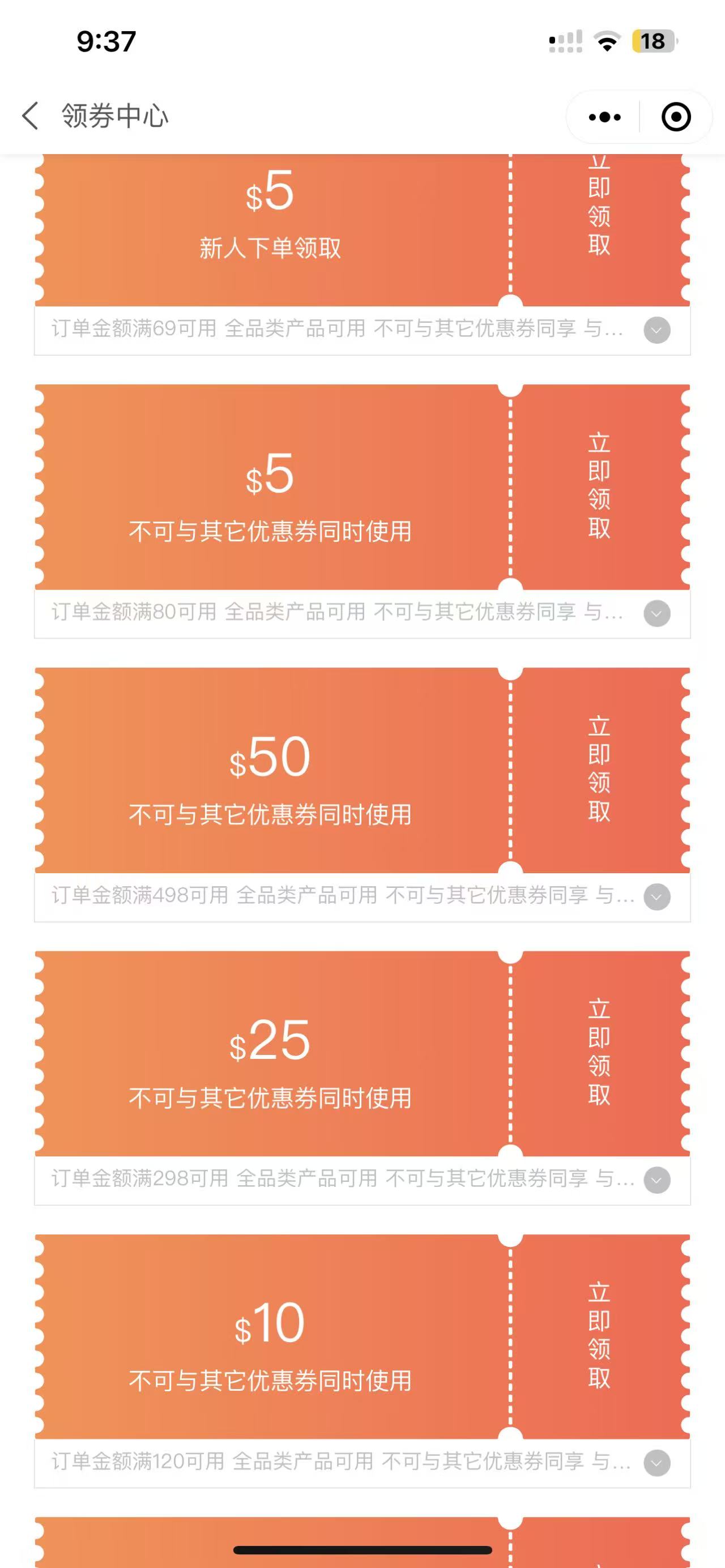
Coupons give new and returning customers a clear offer. Purchase rewards, accumulated points and referral rewards support ongoing customer relationships, with records that customers and the shop can follow.
- New-customer and minimum-spend coupons
- Purchase rewards and loyalty points
- Referral rewards with a visible record
WHAT THE SOLUTION CONNECTS
The shop takes the order. The system carries the details.
For the customer
Choose products, check offers, select fulfilment and pay in WeChat. Return to find order and account information.
For the shop
Work from order records for picking and delivery. Keep adjustments and rewards visible, with a route for customer support.
Screenshots supplied by the client show historical interfaces. Prices, promotions, sales counts and dates reflect the captured screens, not current offers or measured business results. The credit diagram explains the workflow; it is not a client backend screenshot.
Does your WeChat business have the same moving parts?
We build Australian community retail solutions around how you take orders, pick products, deliver and look after customers.